

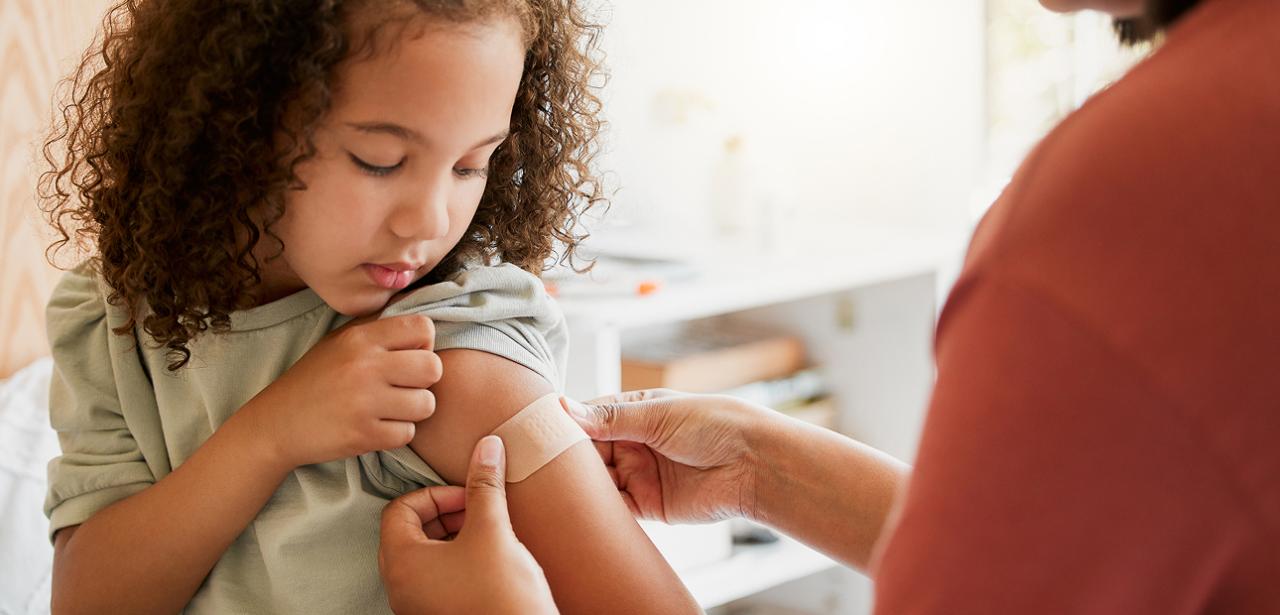
This is one of the most common questions parents ask. The short answer is no — vaccines do not cause autism. The idea started in 1998 with a small study involving only 12 children that suggested a link between the MMR (measles, mumps, rubella) vaccine and autism. That study was later proven to be fraudulent, retracted by the medical journal, and the author lost his medical license. Since then, researchers all over the world have looked closely at this question. Large studies following hundreds of thousands, and even millions of children show the same result, that there is no connection between vaccines and autism.
In Denmark, a study of over 650,000 children found no difference in autism rates between vaccinated and unvaccinated kids (Hviid et al., Ann Intern Med, 2019).
A review of studies involving more than 1.2 million children also found no link (Taylor et al., Vaccine, 2014).
Most recently, in 2025, a new Danish study of 1.2 million children looked at 50 different health outcomes — including autism — and again found no increased risk from vaccines or vaccine ingredients (Statens Serum Institut, Ann Intern Med, 2025).
We now know that autism begins very early in brain development, often before a baby is even born. Genetics play the biggest role. Autism is often diagnosed around the same time that children get certain vaccines. That timing, combined with misinformation, fuels the myth. Vaccines are safe, effective, and one of the best ways we have to protect children.